
info@cpf.or.ke+254 111 114 000Mon–Fri 08:00 – 17:00
Solution 03

Custody, not just storage

Secure physical and hybrid archival with controlled retrieval, barcoded inventory, environmental and fire protection, retention management and certified destruction.
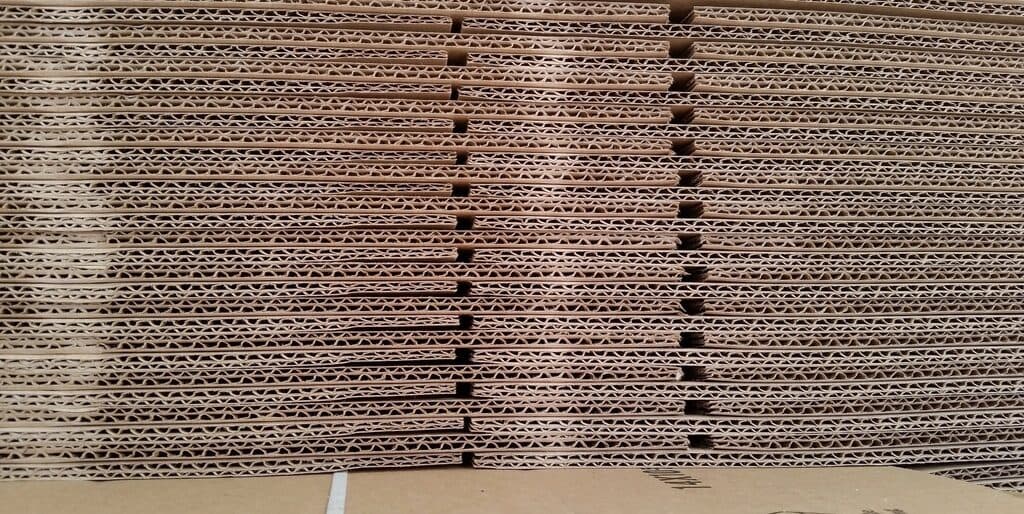
Boxed records held in a controlled storage facility

Records that must be kept for decades represent a risk long before anyone asks to see them. Fire, water, pests, humidity, uncontrolled access and simple disorganisation all destroy evidential value quietly, and the loss is usually discovered at the worst possible moment — during an audit, a claim or a dispute.

Archival is therefore a custody problem rather than a space problem. What matters is knowing exactly what you hold, where each file is, who has touched it, how it is protected, and when it is due for destruction.

What you get
Premises freed from records that need not be on siteA known, searchable inventory instead of unlabelled boxesProtection against fire, water and environmental damageDestruction that is scheduled, approved and certificated
What custody includes

Scope of the service

Secure physical records storageControlled storage with restricted entry, monitored access and records held in conditions appropriate to their retention period.
Off-site archivalSemi-active and inactive records moved off your premises under chain of custody, releasing space without losing access.
Hybrid records managementOne inventory covering both digital and physical holdings, so a record is found regardless of the format it happens to be in.
File retrievalDefined retrieval procedures with agreed turnaround, covering physical return, scan-on-demand and permanent withdrawal.
Inventory & barcodingEvery box and file barcoded and registered, so holdings are known at item level rather than estimated at box level.
Access controlsAuthorised requester lists, verified requests and a complete movement history for every file that leaves its location.
Environmental protectionStorage conditions managed against damp, dust, pests and temperature swings, which are what actually destroy long-retention paper.
Fire protectionFire detection and suppression appropriate to a paper environment, with compartmentation to limit the extent of any incident.
Disaster recoveryRecovery planning covering vital records identification, response procedures and priority reinstatement after an incident.
Digital backupDigitized copies of vital records held separately from the originals, so a single event cannot destroy both.
Records retentionRetention periods held against the inventory so records become due for review and disposition on schedule.
Secure destructionApproved, witnessed destruction at end of life, with certificates issued and the disposition logged against the inventory.
Chain of custodyEvery transfer, retrieval and return signed and timestamped, producing an unbroken custody history for each file.
ConfidentialityVetted personnel, confidentiality undertakings and need-to-know access covering everyone who handles your records.
How records are taken into custody

Delivered in sequence

Each stage produces something the next one depends on, so nothing is started before the decision it rests on has been made.

01Survey & appraisalHoldings are surveyed for volume, condition and retention status, separating what should be stored, digitized or destroyed now.
02Listing & barcodingRecords are listed to the agreed level of detail, boxed, barcoded and registered against your inventory.
03Controlled transferRecords move under documented chain of custody, reconciled against the listing on arrival.
04Active custodyRetrieval, refile and scan-on-demand run against defined turnarounds, with every movement recorded.
05Scheduled dispositionRecords reaching end of retention are reported for review, then destroyed under certificate or transferred to permanent archive.
Protected by

Standards this work answers to

Documented chain-of-custody proceduresBarcoded item-level inventory controlFire detection, suppression and compartmentationCertified destruction with disposition records
Questions

Common questions

Retrieval turnaround is agreed in the service schedule rather than left open, and it differs by urgency. Scan-on-demand is the fastest route for most requests, since the file is imaged and sent without the physical original moving at all.

Other solutions

Where this connects

Talk to us about secure records archival

Tell us about your records environment and we will come back with a structured next step: an assessment, a scope or a proposal.

Request a Consultation